
Why is it trending on X? How trends get picked in India
A name you have never heard of is number one on X. Here is how X actually picks trends, what usually pushes topics up in India, and how to find out why.
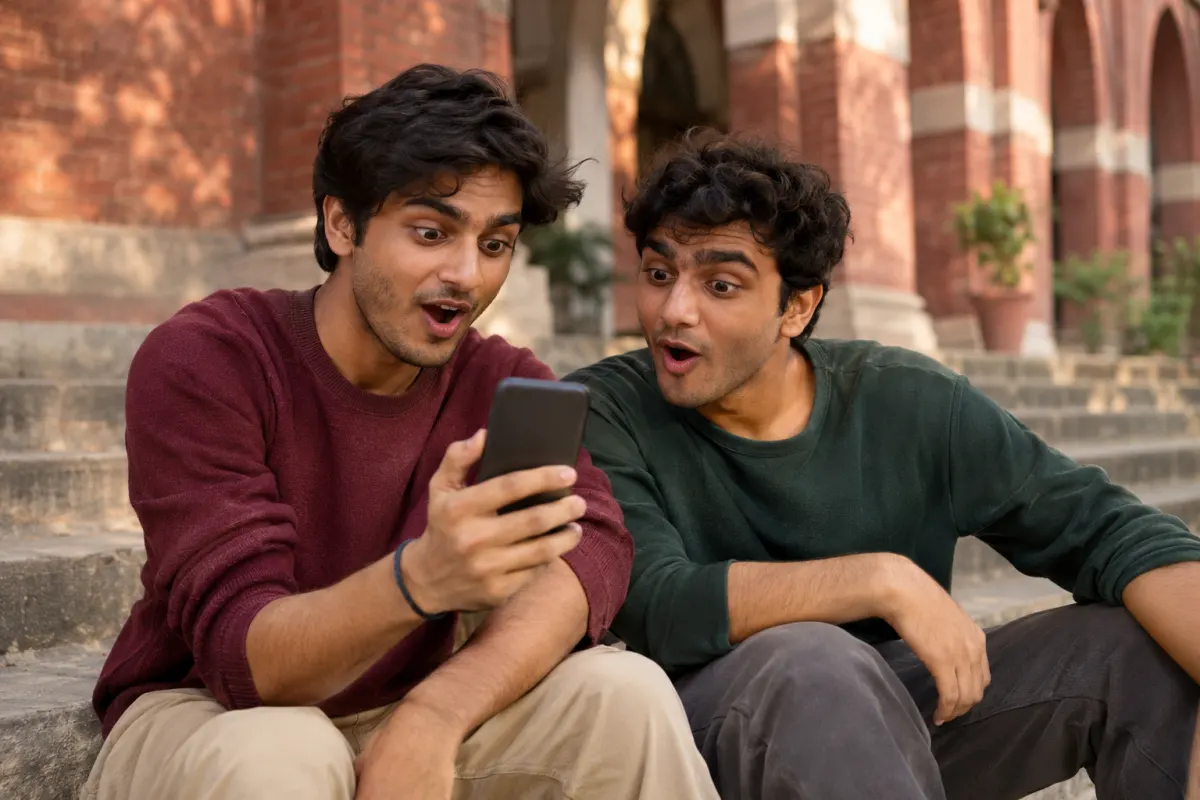
You open X with your morning chai and the top trend is a name you have never heard of, or a hashtag in a language you don't read. Ten minutes later it's gone. What happened?
X does not publish its exact trend formula, and anyone who claims to know the precise numbers is guessing. But X does explain the basic rules in its help centre, and after years of watching Indian trends move (and running campaigns ourselves), the pattern is fairly clear.
What X itself says about trends
According to X, trends are chosen by an algorithm that looks for topics that are popular now, rather than topics that have been popular for a long time or every day. By default the list is also tailored to you: who you follow, what you interact with and where you are.
X also says it filters trends. Activity from accounts it doesn't consider credible (very new accounts, accounts with almost no followers, bots) is left out, and so are spam posts and inappropriate words. That filter is why some hashtags with huge post counts never appear on the list at all.
Speed beats size
This is the part that surprises most people. "Cricket" is discussed on Indian X every single day, in enormous volume. It rarely trends as a word, because nothing about that volume is new. But the name of a player who just hit a last-ball six will trend within minutes, because posts about him jump from almost nothing to thousands in a very short time.
Think of it like a crowd. A crowd that is always there doesn't make news. A crowd that suddenly forms does.
That's also why a trend can show a modest post count and still sit at number one. The count is a rough indicator; the growth curve is what matters.
What usually pushes topics up in India
If you watch the India list for a few weeks, you will see the same kinds of events again and again:
- Cricket. Match days, player milestones, team announcements and controversies. During an IPL evening, half the list can be cricket.
- Films and OTT releases. Trailers, first-day reviews and box office talk, often in Hindi, Tamil, Telugu, Kannada or Malayalam.
- Celebrity birthdays and fan clubs. Organised fan groups plan birthday hashtags days in advance and post together at a set time. This is especially visible for South Indian film stars.
- Politics. Rallies, speeches, election results and party campaigns, usually with competing hashtags from both sides.
- Breaking news. Accidents, weather, exam results, outages of popular apps or banks.
- Brand campaigns and launches. Phone launches, sales and brand hashtags, some organic and some promoted.
- Outrage. An angry customer, a viral video, a controversial ad. Complaints spread fast.
Organised trends: how they actually happen
A large share of Indian trends are planned. A fan club, a political team, an NGO or a brand agrees on one hashtag, a date and a time, and many people post together. Because the posts arrive in a burst, the topic grows fast enough to be picked up.
There is nothing wrong with a group of real people choosing to talk about the same thing at the same time. Where it crosses the line is fake accounts, paid bots and copy-paste spam, which break X's rules on platform manipulation. Those are also the posts X's filters try to remove, so bot-driven trends tend to collapse quickly. We wrote a longer explanation in is Twitter trending legal in India.
Four patterns you will see again and again
The match night
The match hashtag starts climbing around the toss and stays on the list until the last ball. Inside it, smaller trends pop up and vanish: a player's name after a big over, an umpire's name after a controversial decision, a fielder after a dropped catch. The next morning, only the winner's name and the match result linger.
The release Friday
Film trends often begin the night before, with fans posting about advance bookings. From the first morning shows, the film's name, "review" hashtags and the lead actor's name compete on the list, usually with fans and critics arguing in the replies. By evening, box office talk takes over.
The midnight birthday
Fan clubs of big stars plan birthday trends days in advance. They share a common display picture (fans call it a CDP), agree on a hashtag and a time, and post together at 12 a.m. The hashtag can reach the top of the India list within minutes, which is exactly why they post together instead of spread out over the day.
The outage
When a popular app, a payment service or a bank stops working, its name trends within minutes as people check whether the problem is only theirs. These trends are useful: they are often the fastest way to confirm that an outage is real.
Why some huge topics never trend
It's common to see a hashtag with a big post count that never shows on the list. Usually one of three things is happening. The topic is discussed steadily every day, so there's no sudden growth. Or much of the activity comes from accounts X doesn't trust, such as brand-new or bot-like accounts, so it gets filtered out. Or the words involved fall under X's filters for spam or inappropriate content.
So a missing hashtag isn't always proof of censorship, and a trending one isn't proof that most of India cares. Both are just signals from a system tuned for sudden, credible bursts.
Check before you share
Trends spread rumours as fast as news. Old videos get shared as new, edited clips go around, and fake quotes trend before anyone checks. Before you repost something from a trend, look for a reliable news source, and use Google Lens on suspicious photos to see whether they've appeared online before. Thirty seconds of checking can save you from spreading something false.
How to find out why something is trending
- Tap the trend. The Top tab shows the posts X considers most relevant. They often explain the story in one line.
- Switch to Latest. This shows you whether the topic is still active and what tone it has taken: celebration, jokes, anger.
- Look at "Trending with". Related hashtags and names listed under a trend often tell you the context. A player's name trending with a team hashtag usually means a match moment.
- Read summaries carefully. On some trends X shows a short summary written by its AI assistant. It's a handy starting point, but it can be wrong or out of date, so check the actual posts before you repeat it.
- Check a news site. If the trend is news, a quick search on Google News confirms it.
Why the list you see is not the list everyone sees
Because trends are personalised by default, two people in the same office can see different lists. If you want the common India list, change your Explore location to India. The steps are in our guide on how to check Twitter trends in India, and we keep a daily list of today's top X trends in India.
What this means for brands
If you want your brand or launch to trend, the lesson from all of the above is simple: you need many genuine accounts talking about the same thing within a short window. Budget alone doesn't do it, and fake accounts get filtered.
That is exactly what our Twitter trending service plans: the hashtag, the timing, real creators and supporters, and content people actually want to share. If you are curious about the money side first, read how much it costs to trend on Twitter in India.
FAQs
A brand can pay X for a Promoted trend, which is an advert and carries a "Promoted" label. Paying people or using fake accounts to post a hashtag is coordinated inauthentic behaviour under X's rules, and X filters out a lot of that activity.
Because X looks at how quickly a topic is growing right now. A sudden jump from almost nothing to a few thousand posts can beat a much bigger topic that people discuss every day.
Most trends fade once the burst of new posts slows down. A trend can also drop if X's filters find that much of the activity came from spam, very new accounts or bots.
No. By default X personalises trends using who you follow, your interests and your location. You only see the common India list if you choose India as your Explore location.